
Lovable review: impressive prototyping, but architectural decisions remain
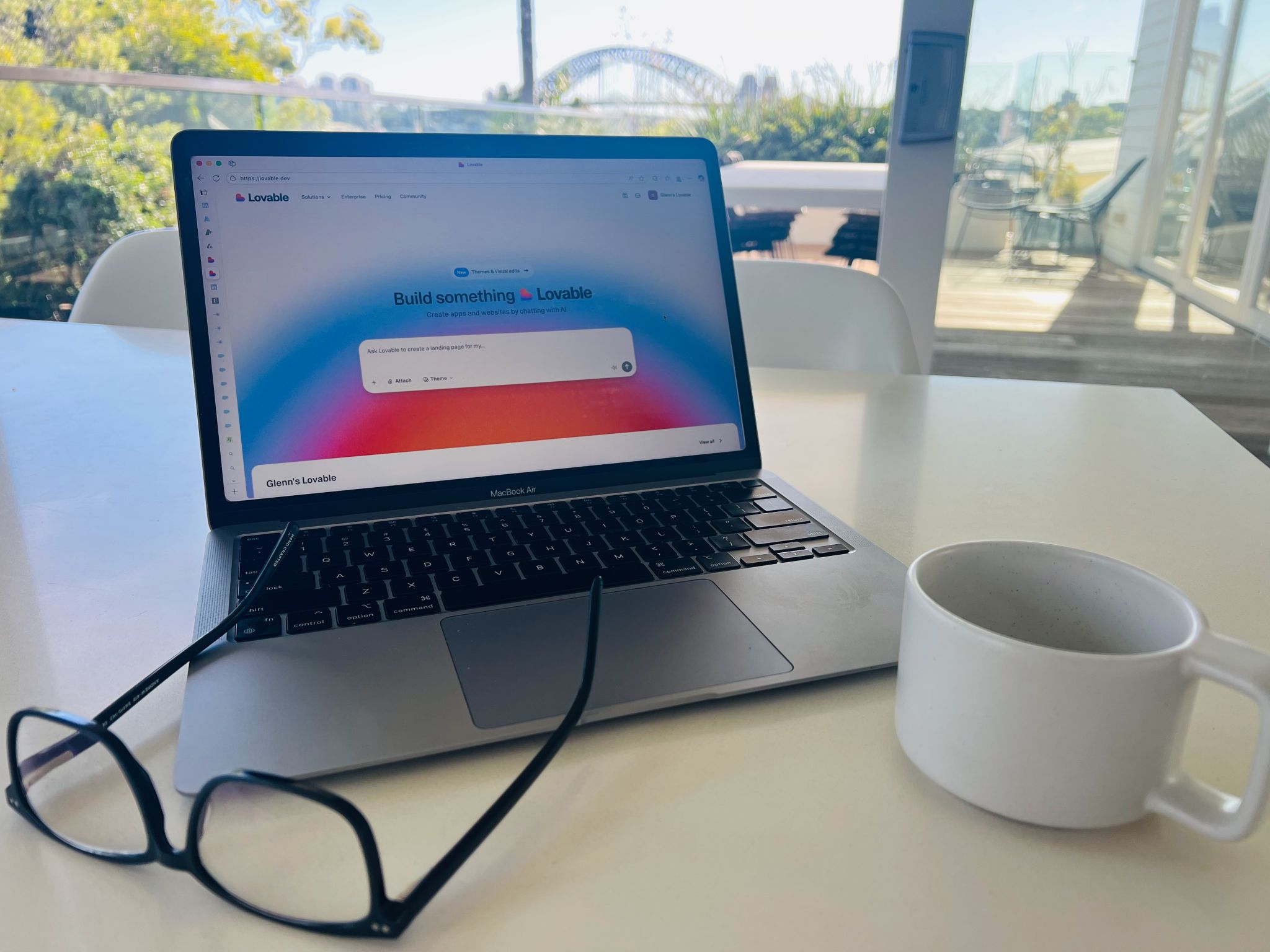
I revisited Lovable last week. I hadn’t tried it for months, but given Forbes calls it “the fastest-growing software startup ever”, I thought I’d better check what had changed.
I first heard about Lovable earlier this year from a BA who was using it to vibe-code prototype apps. I had a play, but as a techie I found it too abstracted from the code. It went in circles too many times and it made obvious errors.
Fast forward to now and it’s a much more polished experience. You sign up, and within minutes you’re giving it instructions and watching it assemble a sophisticated app in front of you with real skill.
So I decided to test it properly. I gave it a serious brief: build a personal document-intelligence app with a live connection to my files, acting as my own private research and writing assistant. I know how this architecture should work, which made it a good benchmark.
To its credit, it produced a thoughtful high-level design: OAuth into my document store; a RAG pattern for chunking and indexing; a simple chat interface; and a rich editing UI. It even provided early thoughts on hosting.
So far so good.
But the moment we moved past the surface, we hit the decisions that actually matter. It asked whether I wanted cloud-based indexing or a desktop-centric model. That’s not a cosmetic choice — it defines the entire architecture that follows.
Once I pointed it towards a cloud setup, we were instantly into cloud platform selection, data storage strategy, IAM and credential management, and all the usual decisions you’d expect in a real production build.
And each of these decisions has major ramifications for security, scale and ongoing cost.
It struck me that this wasn’t a one-off moment. This was the first of many forks in the road an unsuspecting user could face, each with real consequences.
Make the wrong call early and you can easily steer the whole build into something brittle, unscalable, or misaligned with your actual goals.
The interface makes the journey feel simple, but the underlying decisions remain complex and consequential.
This isn’t a criticism. Lovable is clear about who it’s for. They compare themselves to Cursor on their own site: Cursor for software professionals, Lovable for non-technical users creating prototypes.
If you hold them to that positioning, the value proposition makes sense. Lovable is impressive at what it’s designed to do.
Just don’t expect it to magic away the architectural decisions that make or break a real application — those are still on you.
Originally shared on LinkedIn